


Ingredients
- 1–2 gallons milk (do not use UHT/UP milk)
- 1 packet thermophilic cheese starter culture
- ¼ rennet tablet dissolved in ½ cup water (or ¼ tsp liquid rennet)
- ¼ tsp lipase powder (optional)
- 2 lb cheese salt
- 1 gallon water
- Olive oil

 $13.99
 $14.99
 $26.99
 $50.99
 $36.99
 $34.99
 $59.99
 $24.99
 from
$10.00
from
$10.00  $39.95
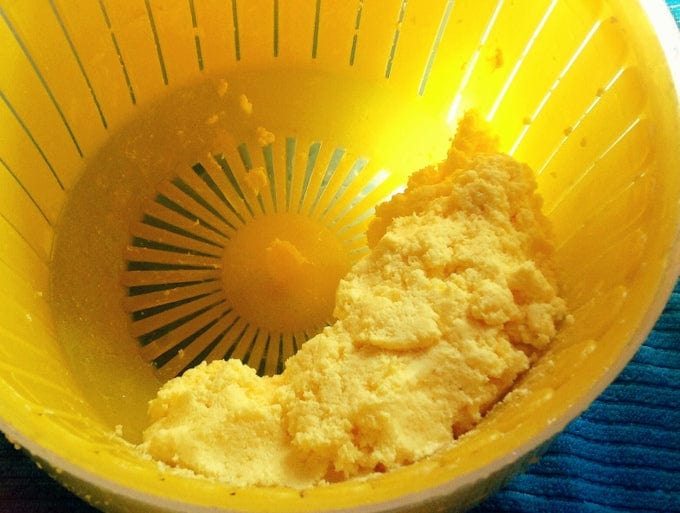

Thermophilic culture is used to make hard cheeses including Parmesan, Romano, Provolone, and Swiss. This guide follows the supplied Parmesan cheese recipe.
Sanitize your equipment and make room for the pressing, brining, and aging stages before warming the milk.

Milk matters: the supplied recipe excludes UHT/UP milk. Use a thermometer at every temperature checkpoint.
Set each reminder only when you begin its timed step. Use the temperature and curd cues to guide transitions.
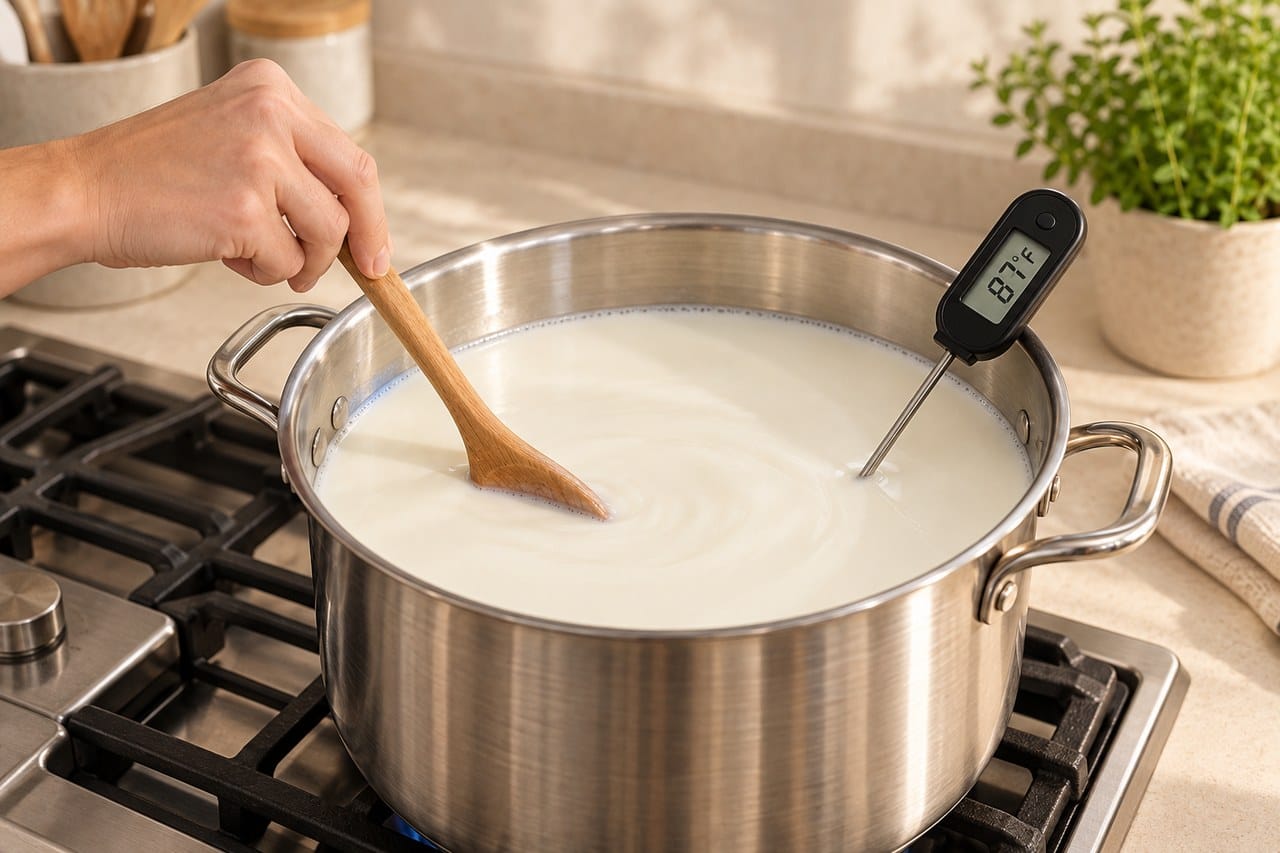
In a large pot, heat 1–2 gallons of milk to 87°F, stirring frequently.
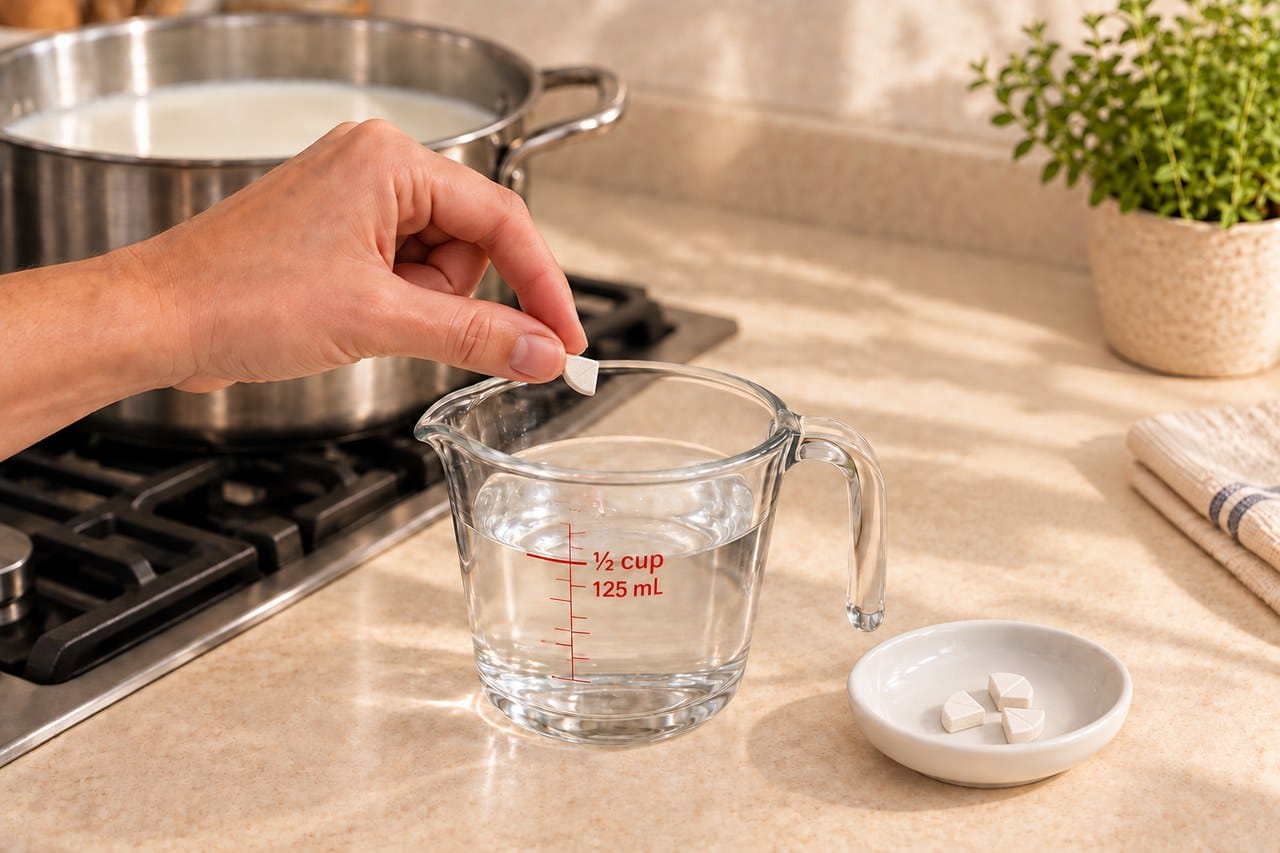
For firmer texture, dissolve ¼ rennet tablet in ½ cup water (or ¼ tsp liquid rennet). Set aside for 20 minutes.
Remove the milk from the heat. Allow the culture to dissolve on the surface of the milk for approximately 2–3 minutes. Once dissolved, thoroughly incorporate it into the milk. Cover and let sit for 45 minutes.
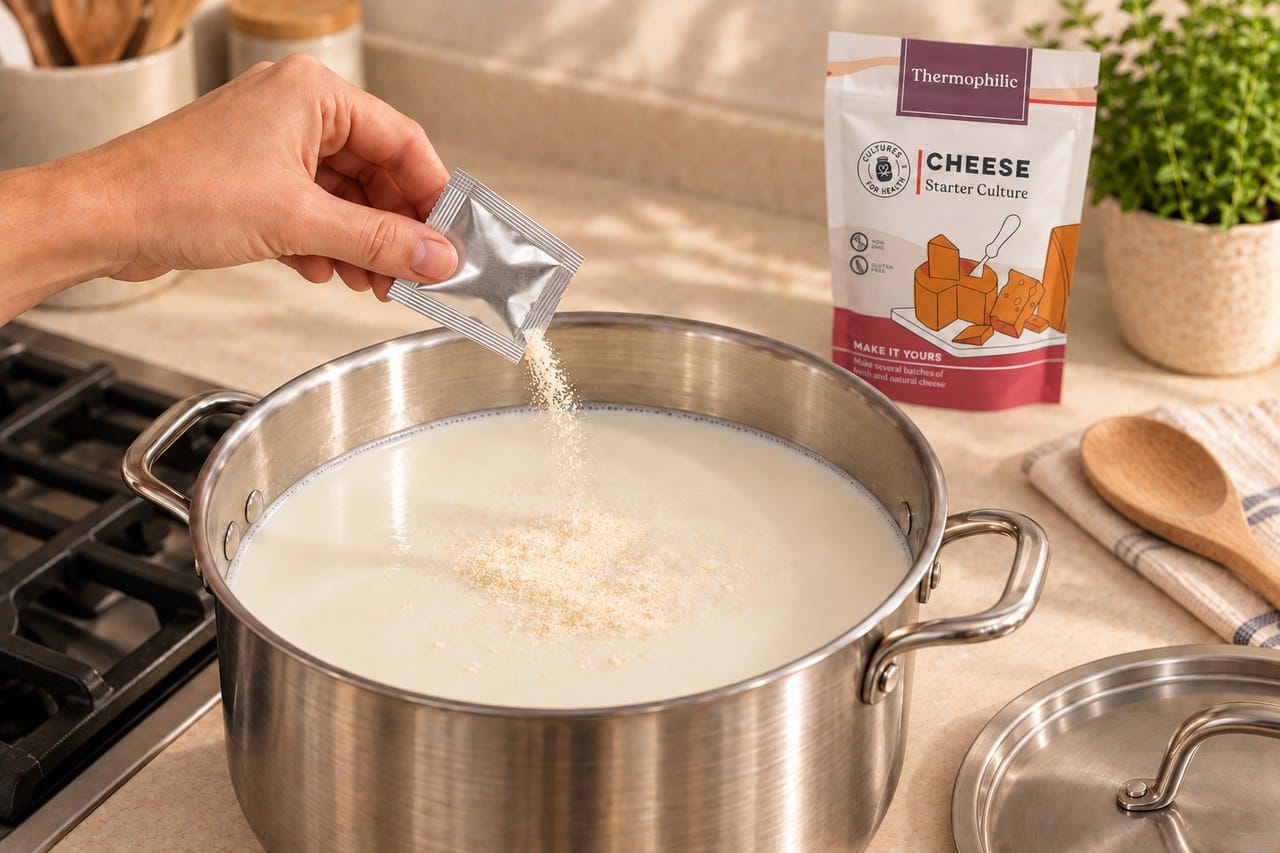
Check that the milk is no warmer than 90°F. Stir to homogenize the milk, then slowly incorporate the diluted rennet with up-and-down spoon strokes.
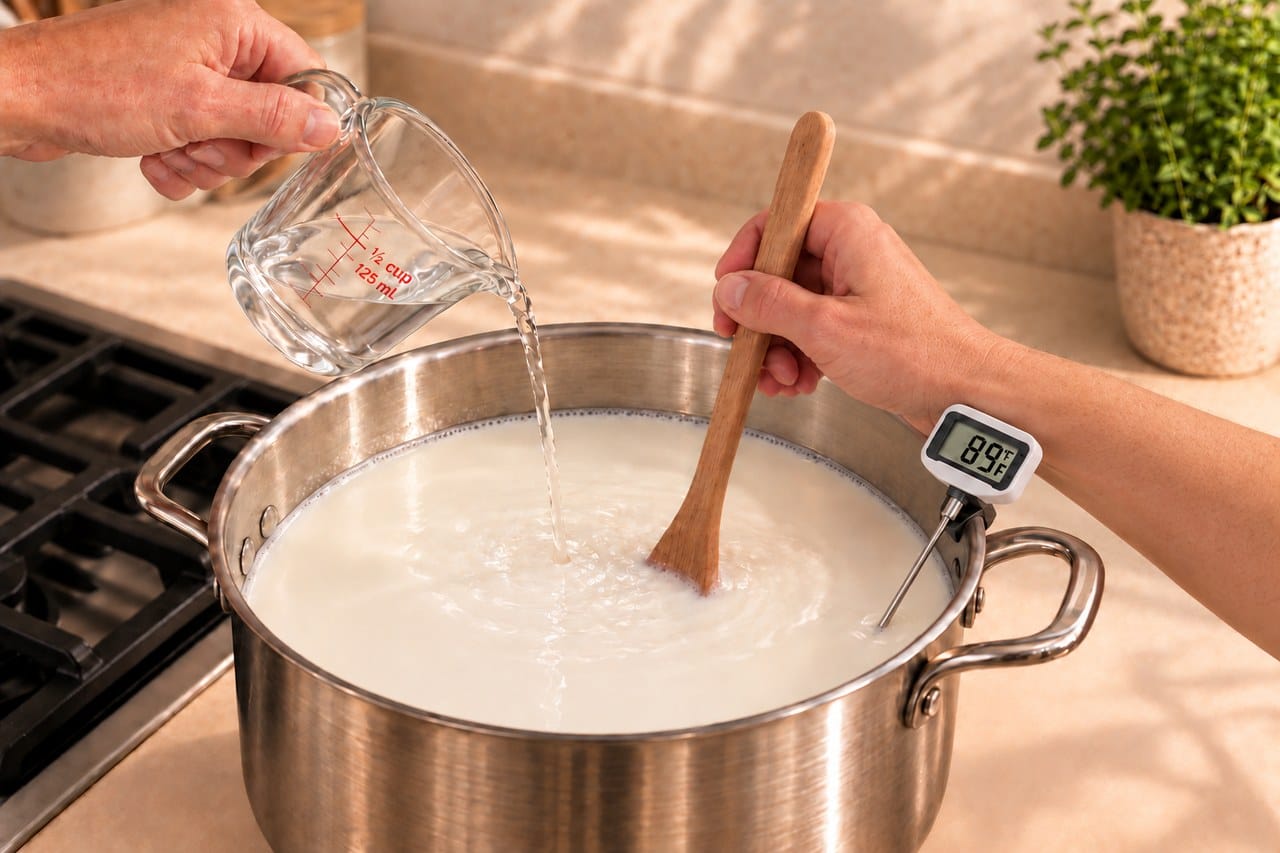
Allow the cheese to set at 90°F for 30–45 minutes, or until whey begins to separate from the curd.
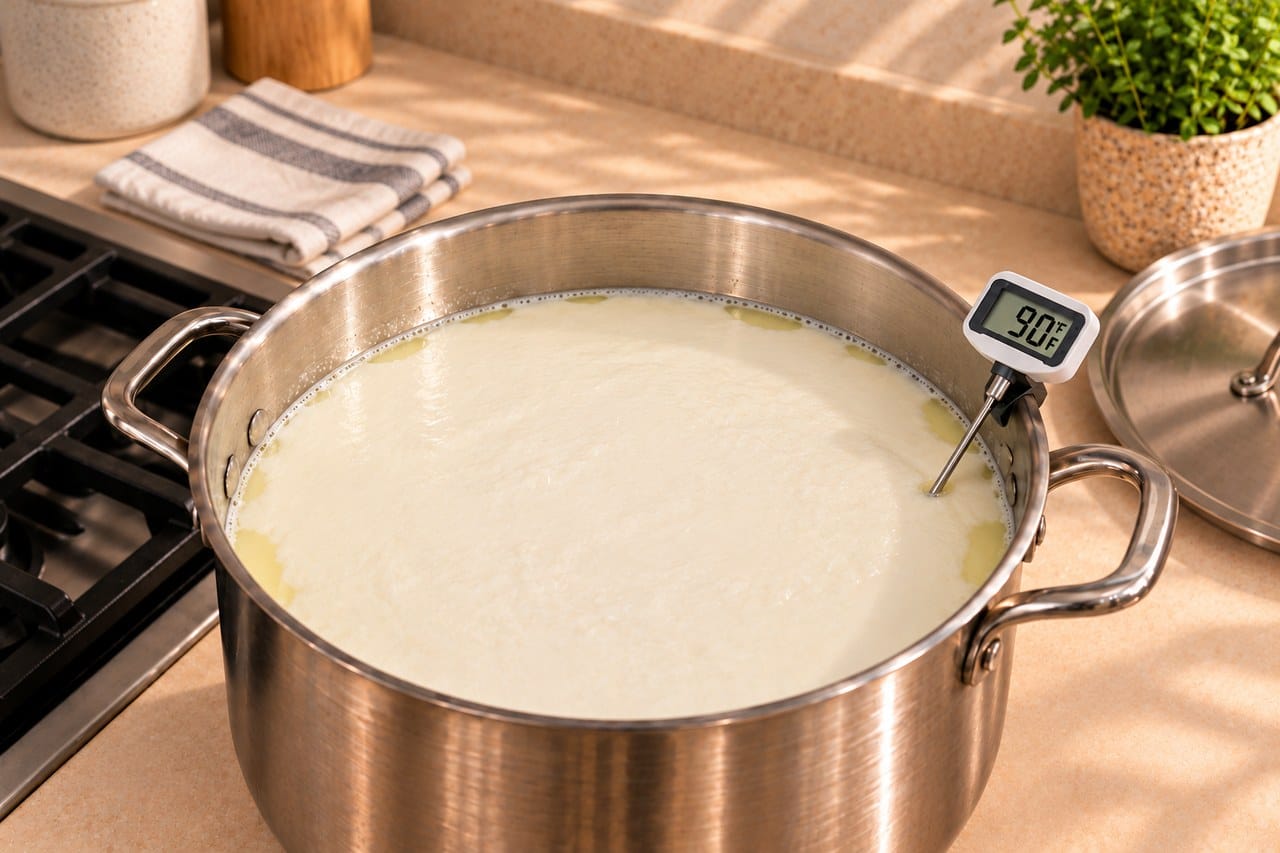
Using a long knife, cut the curds into ¼-inch cubes.
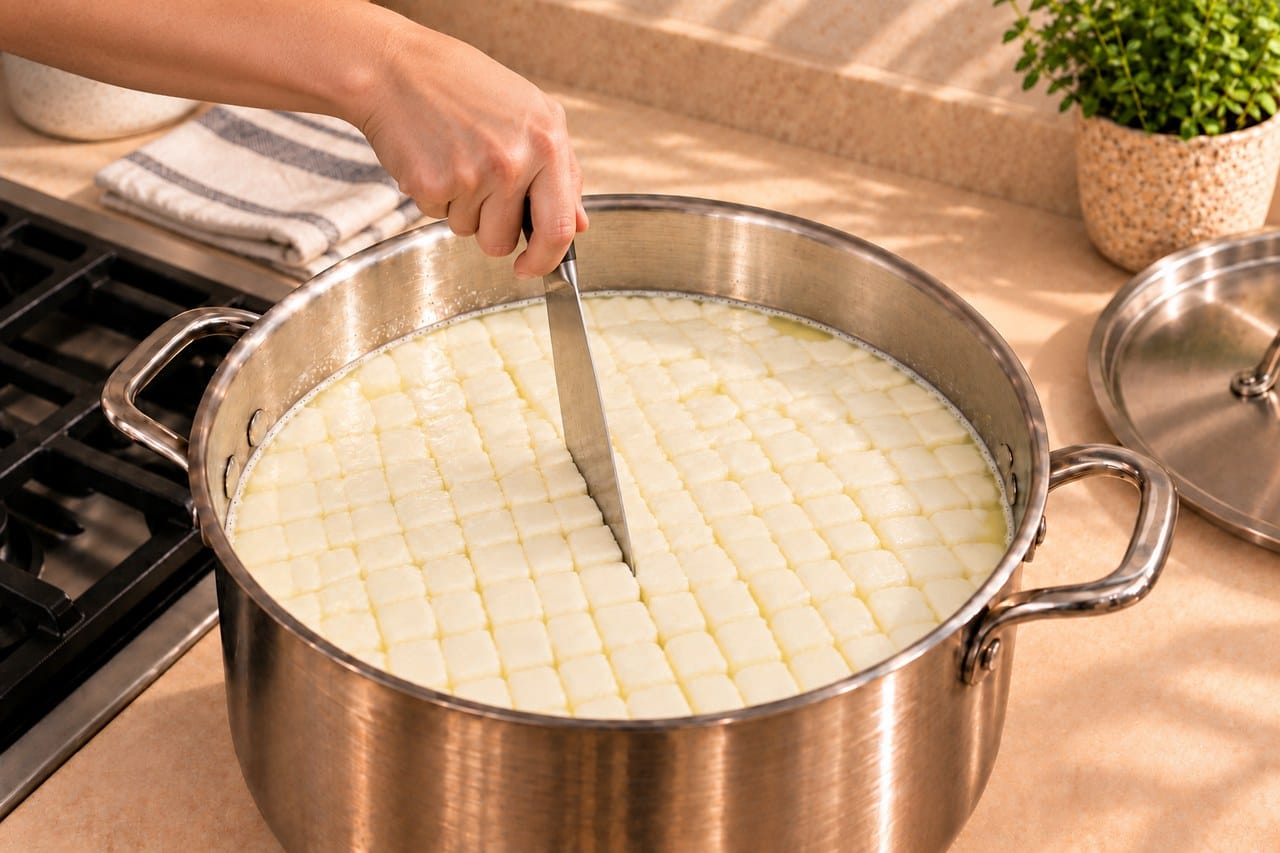
Stir the curds with a whisk, slicing them into small pieces. The pieces should all be roughly the same size.
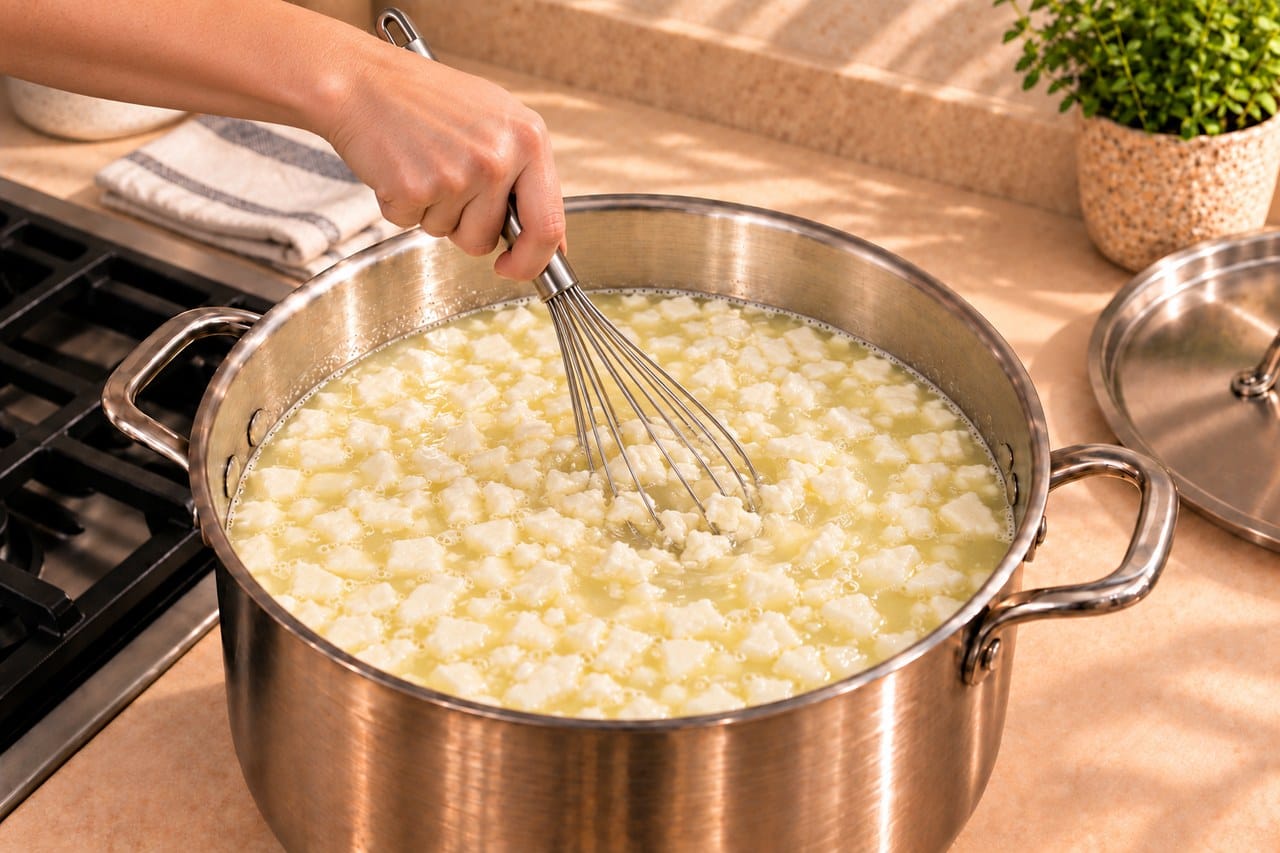
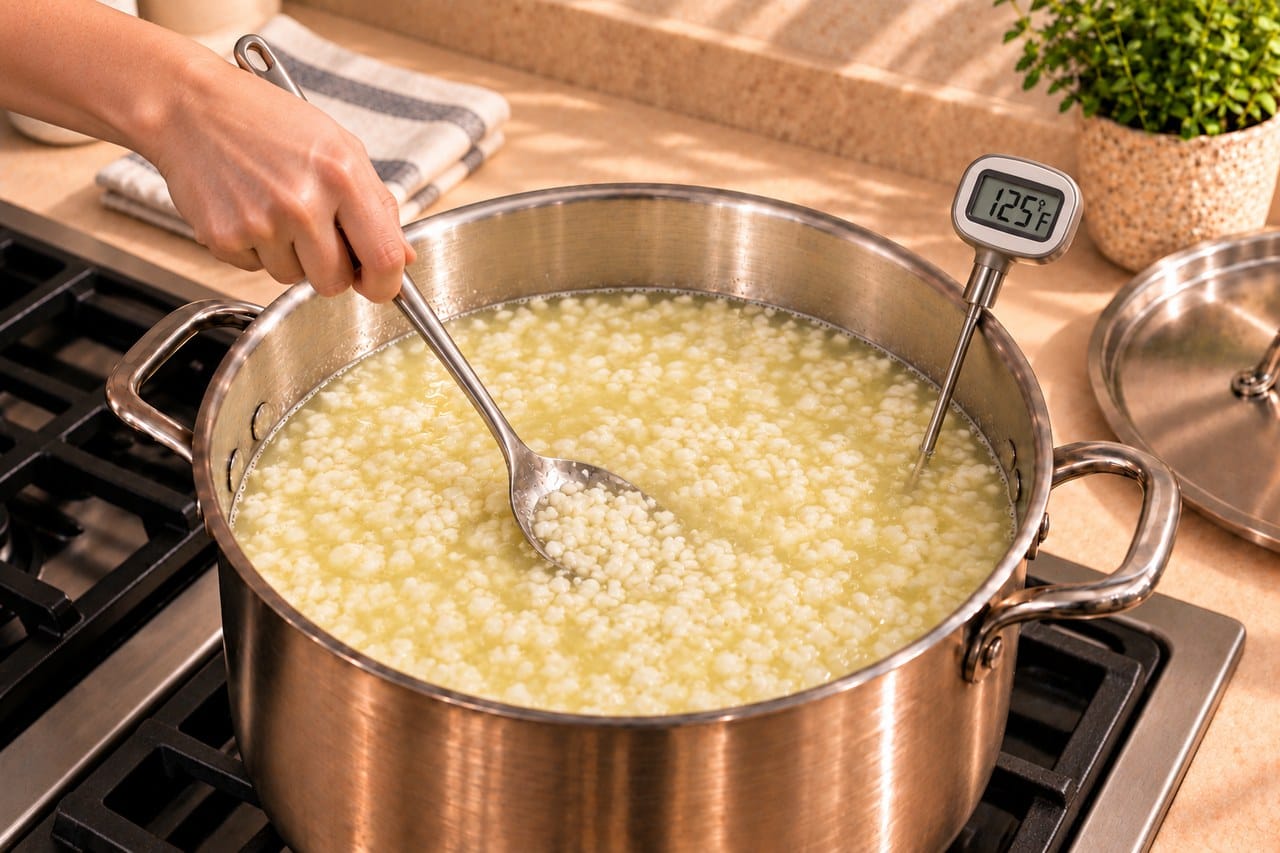
Over the next 25 minutes, slowly heat the curds to 125°F, stirring frequently with a spoon. As you stir, the curds will shrink. When they reach 125°F, turn off the heat and allow the curds to rest for 5 minutes.
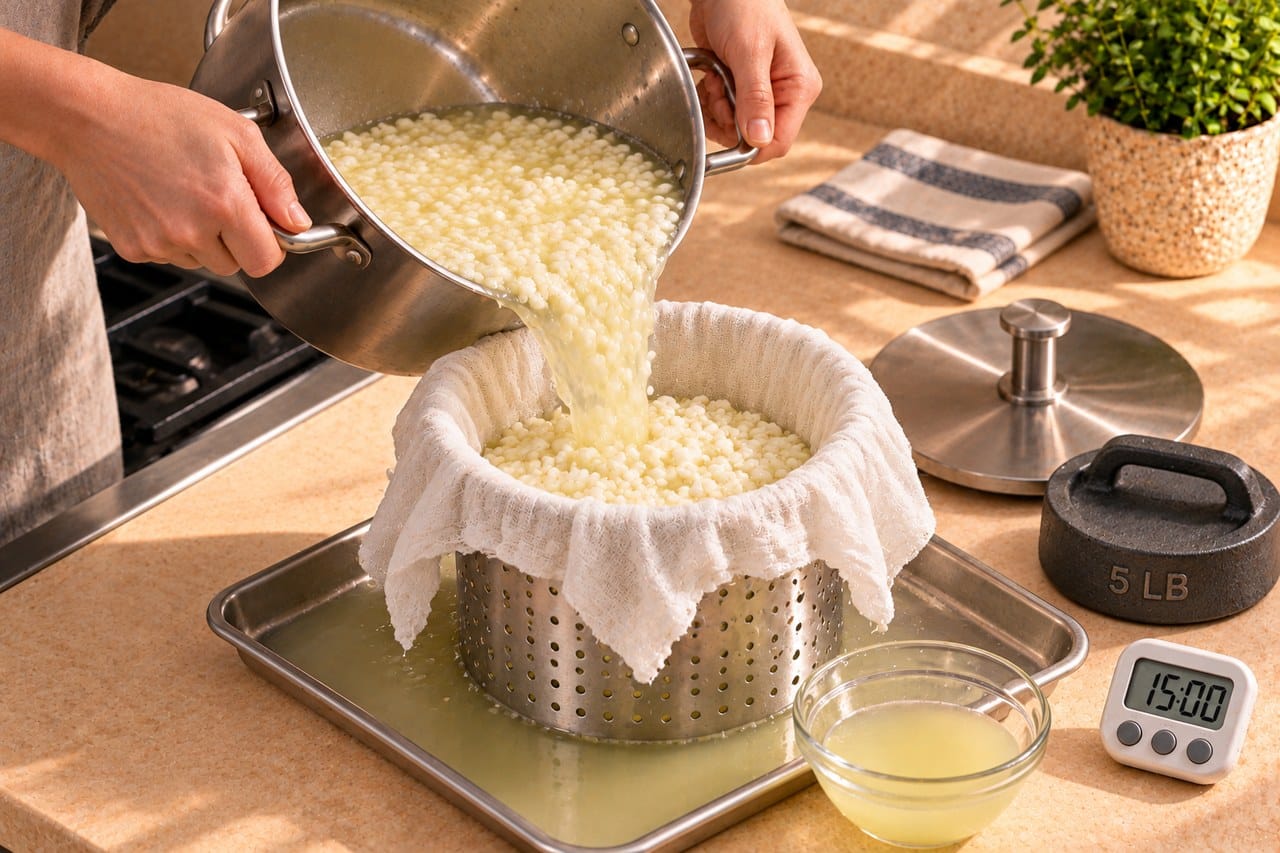
Pour the curds into a press lined with cheesecloth, and press at 5 pounds for 15 minutes.
Using a fresh piece of cheesecloth, flip the cheese and press again at 10 pounds for 30 minutes.
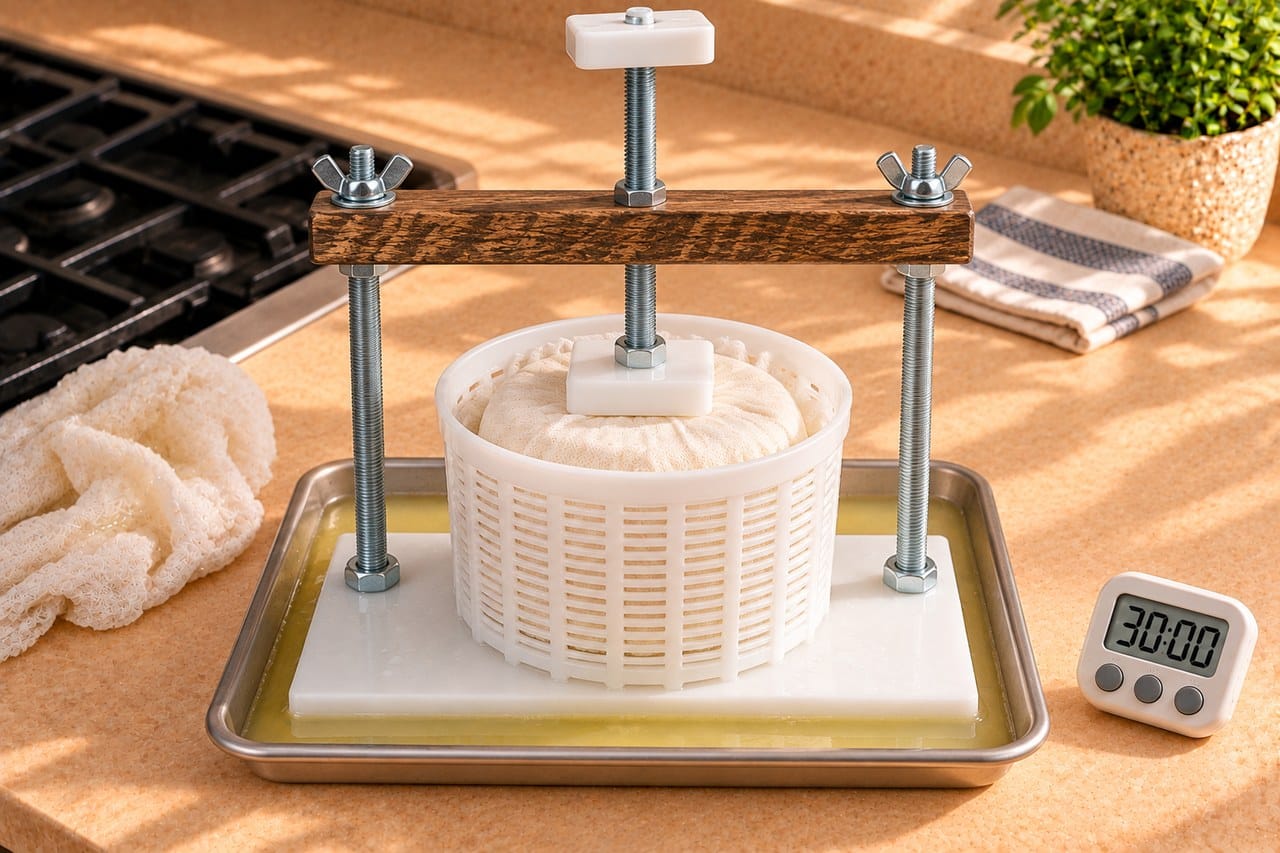
Repeat this process again at 15 pounds for 2 hours, rinsing the cheesecloth in clean, cool water each time and hanging it to dry.
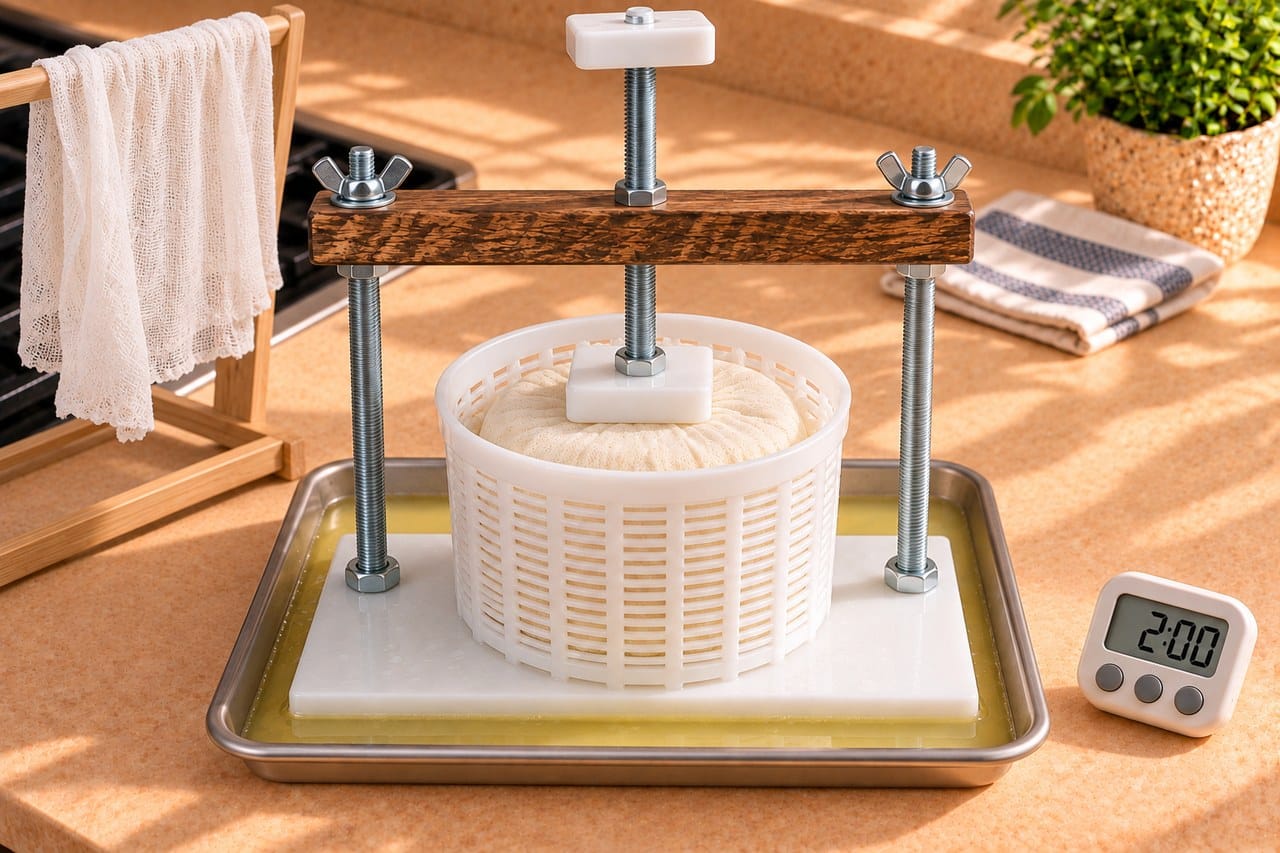
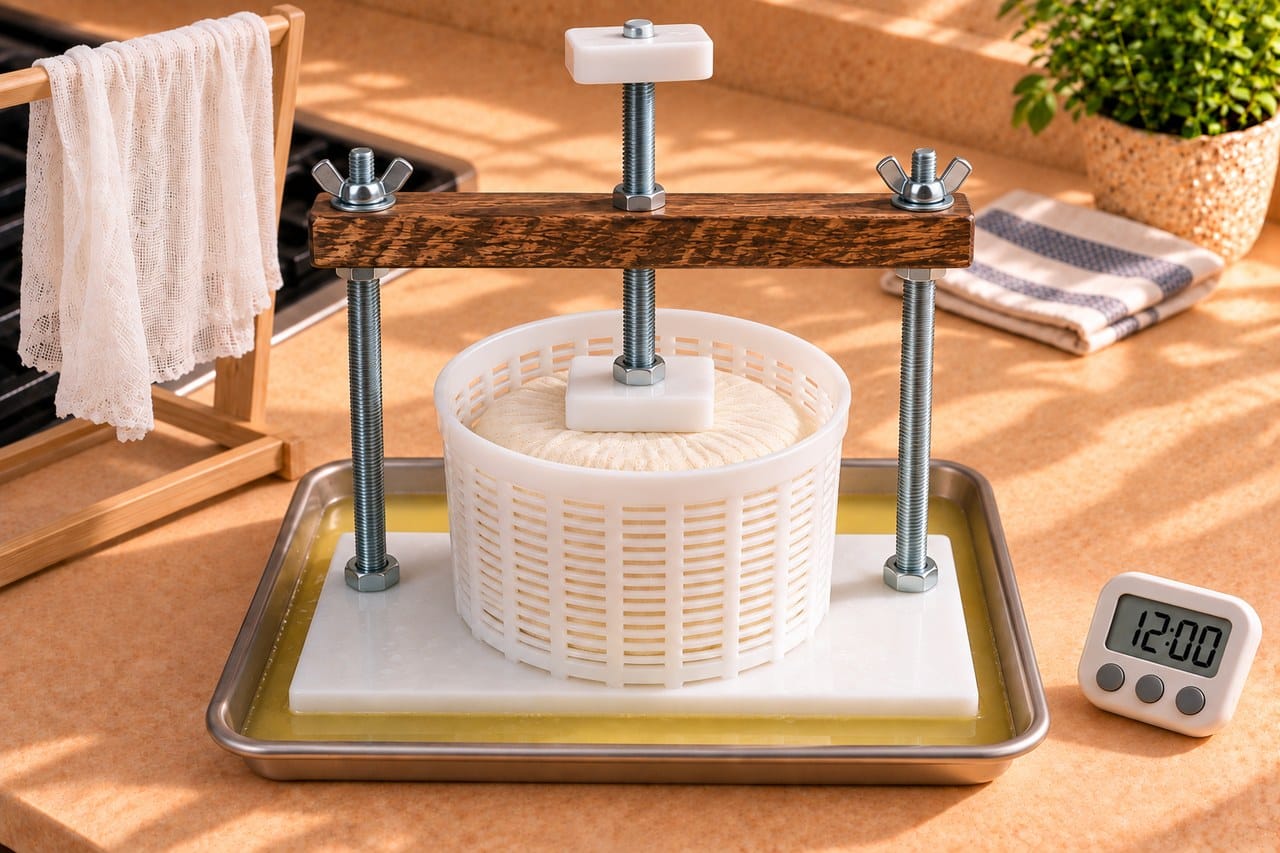
Finally, press at 20 pounds for 12 hours, or overnight.
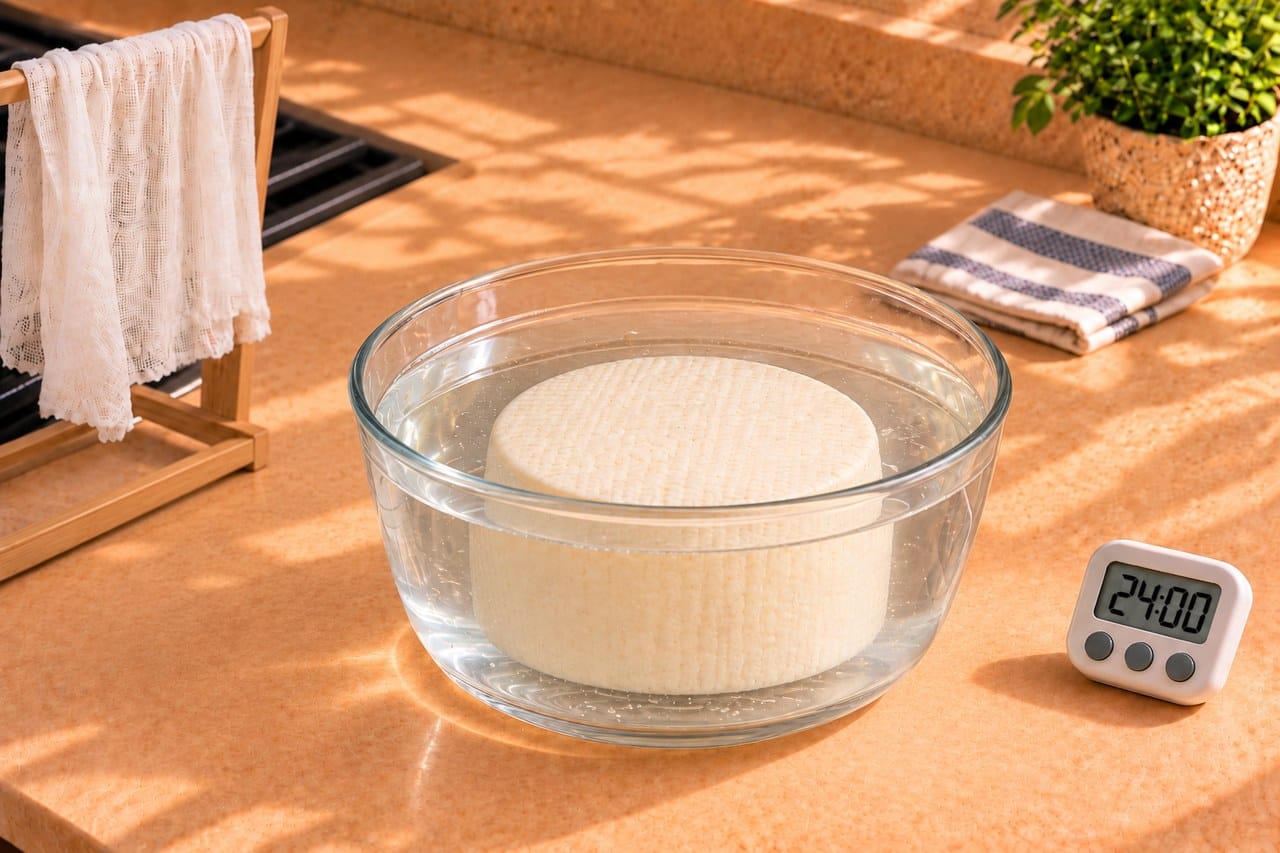
Mix 2 lb of sea salt with 1 gallon of cold water to make a brine. Place the cheese in the brine and soak for 24 hours.
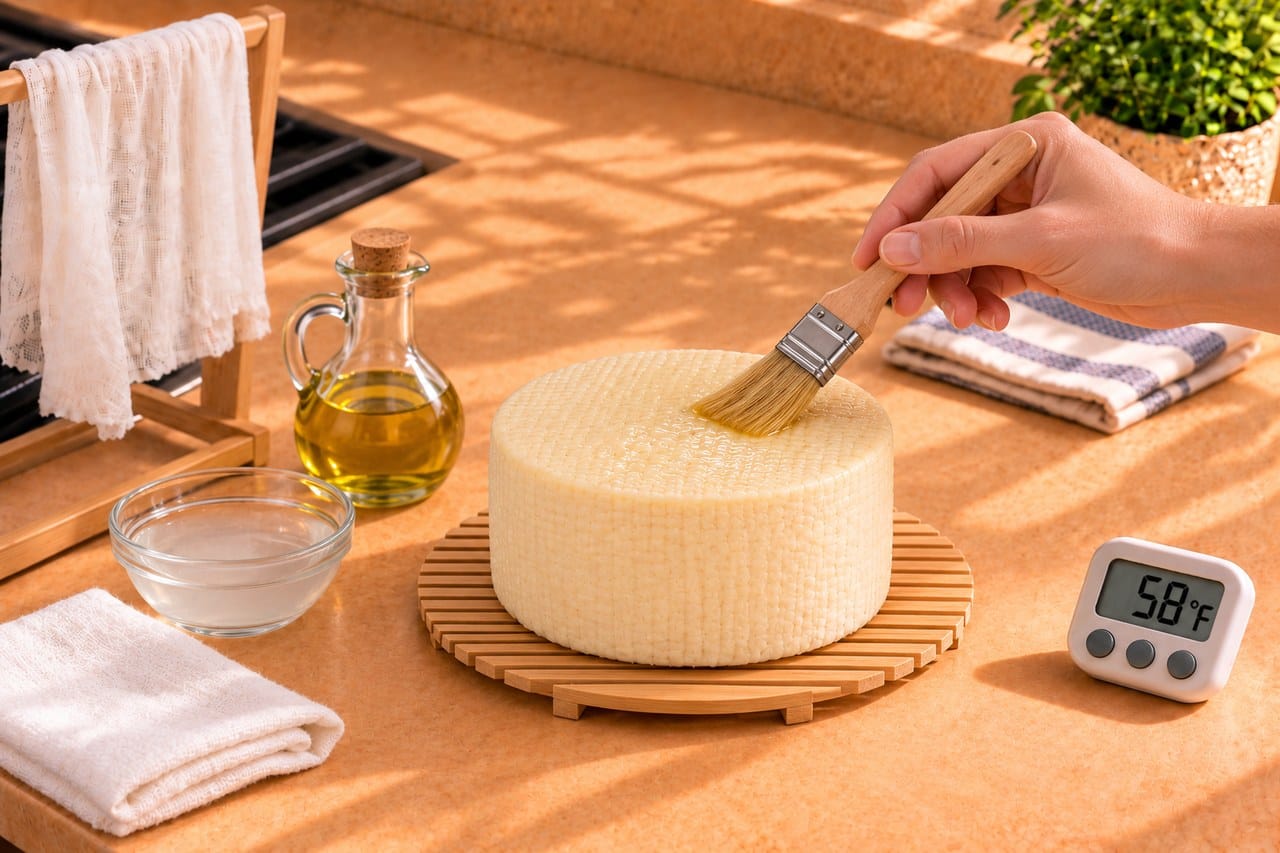
Take the cheese out of the brine and age at 55–60°F for at least 8 months. Coat the cheese daily with olive or coconut oil; if mold appears, wipe it off with a clean cloth dipped in salt water or vinegar.
Use the starter culture as directed by your recipe or follow the packet guidance shown in the supplied instructions.
| Gallons of milk | <1 | 1 | 2 | 3–4 | 5–10 |
|---|---|---|---|---|---|
| Packets of starter | 1 | 1 | 2 | 2 | 4 |
The supplied 1–2 gallon Parmesan recipe lists one packet, while the general ratio lists two packets for 2 gallons. Confirm the dosage on your current packet or with the CFH cheesemaking team before making a 2-gallon batch.
Rate your experience so we can send you to the right next step.
Send the team your milk type, temperature readings, curd photos, press weights, and brining or aging notes.
Use your Thermophilic Cheese Starter to make more homemade favorites. These featured recipes are displayed with their original recipe art so the text on each image stays easy to read.

Make a savory, aged hard cheese with the classic Parmesan profile using your thermophilic culture.
View recipe →
Create a mild, nutty Swiss-style cheese with its signature eyes and a smooth sliceable texture.
View recipe →
Make soft, stretchy homemade mozzarella to enjoy fresh right after cheesemaking.
View recipe →