


Ingredients
- 1–4 quarts fresh milk; goat milk for classic chèvre
- 1 packet Chèvre Starter Culture
- Cheese salt, if freezing your cheese

 $13.99
 $14.99
 $26.99
 $50.99
 $36.99
 $34.99
 $59.99
 $24.99
 from
$10.00
from
$10.00  $39.95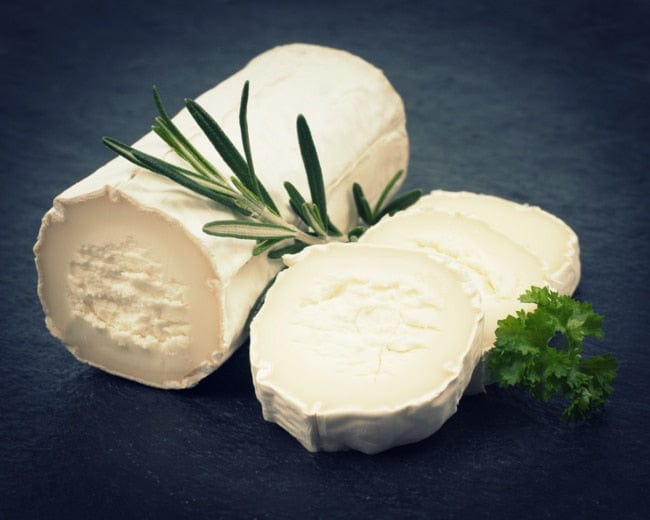

Make fresh, creamy chèvre in seven easy steps. Use goat milk for classic chèvre.
Prepare your milk, starter packet, and a place to hang the cheese over a bowl.
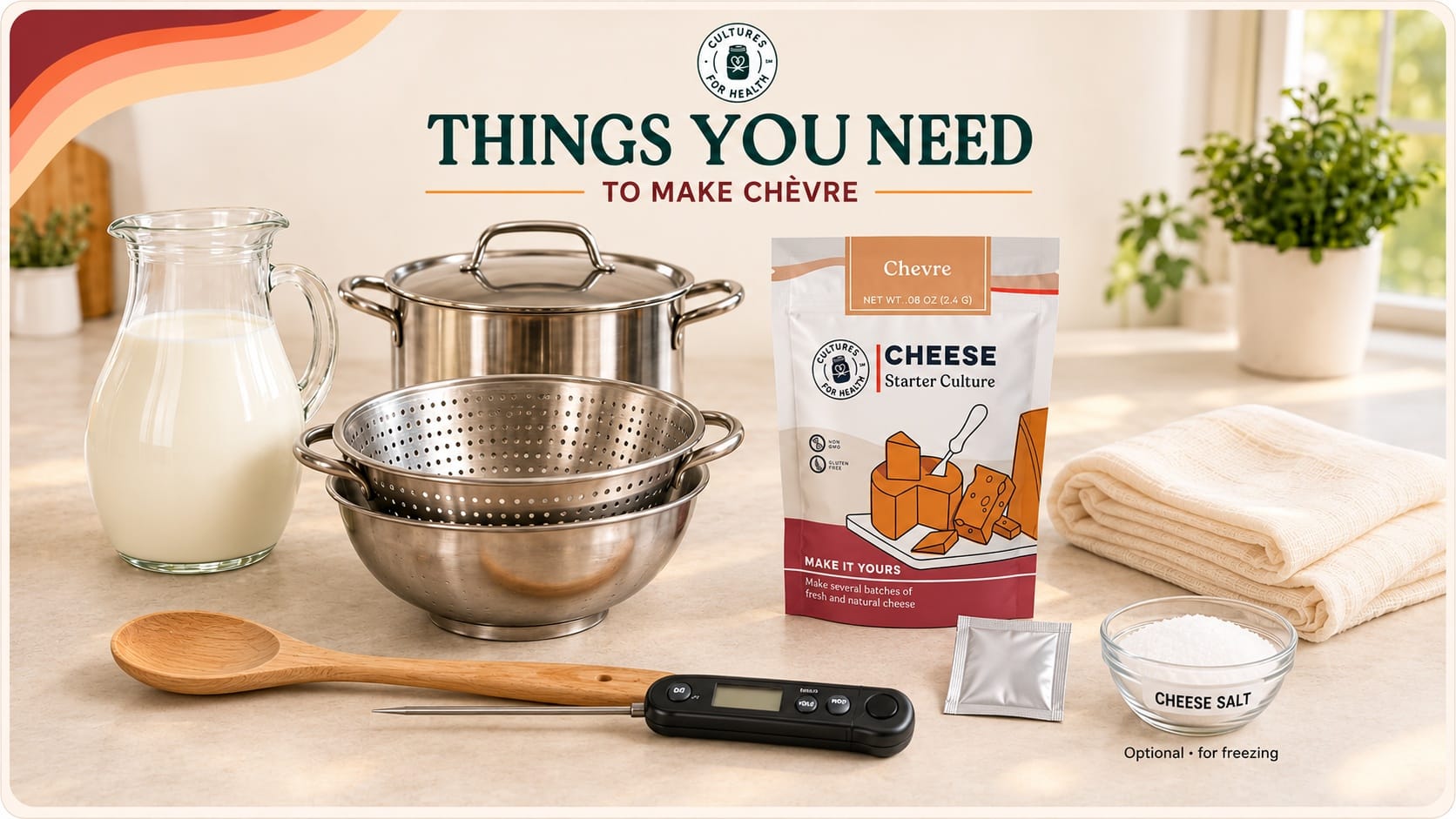
Choose your milk: use fresh raw or pasteurized milk as directed on the supplied sheet; avoid ultra-pasteurized or UHT milk.
Start each reminder when its timed step begins. Check the cheese itself as well as the clock.
Over low heat, slowly warm 1–4 quarts of fresh milk to 86°F (30°C). Remove the pot from the heat. Heat no faster than 1°F per minute; a gallon can take 30–40 minutes.
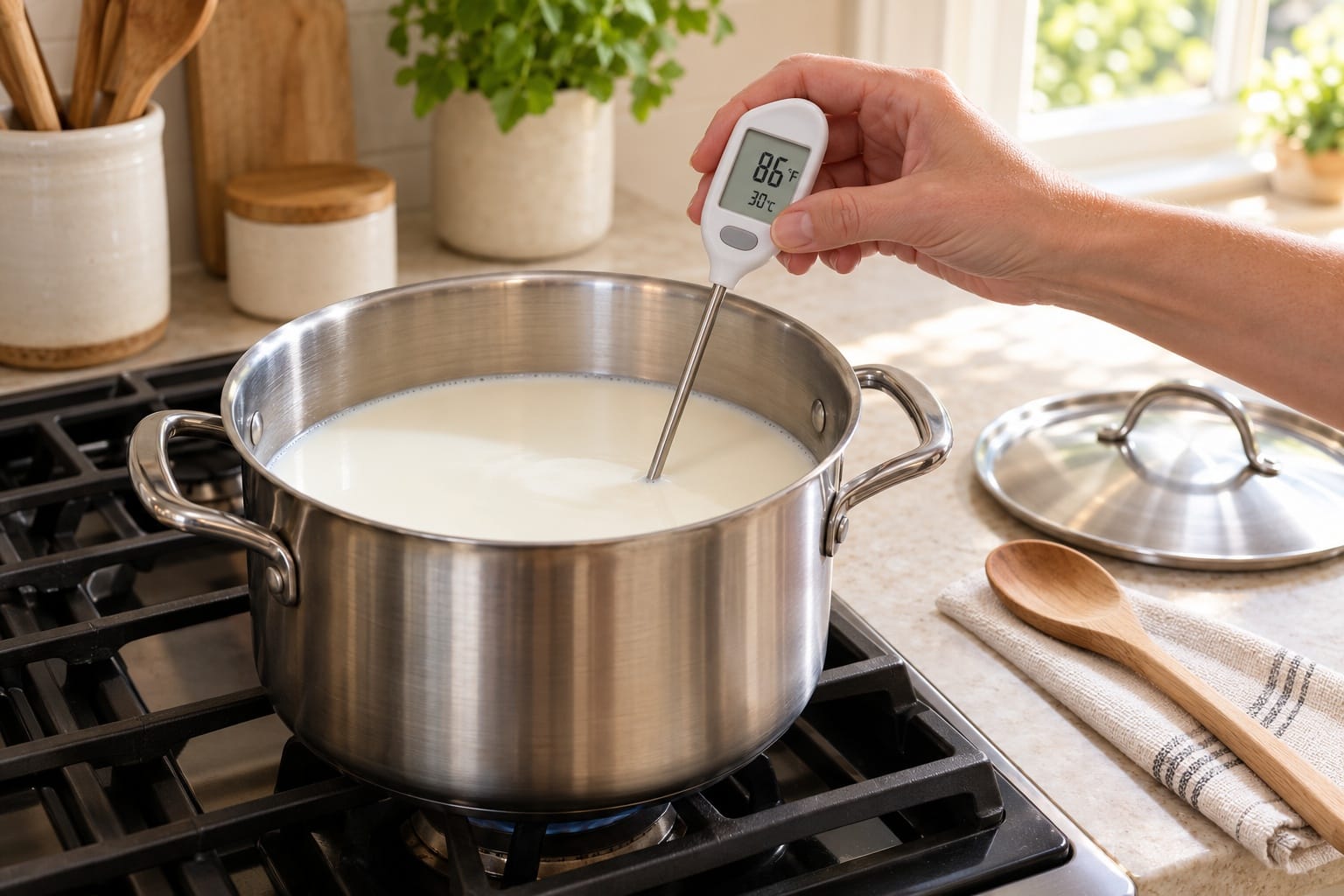
Add 1 packet of Chèvre Starter Culture. Mix thoroughly with an up-and-down motion rather than stirring. Do not mix for longer than 15 seconds.

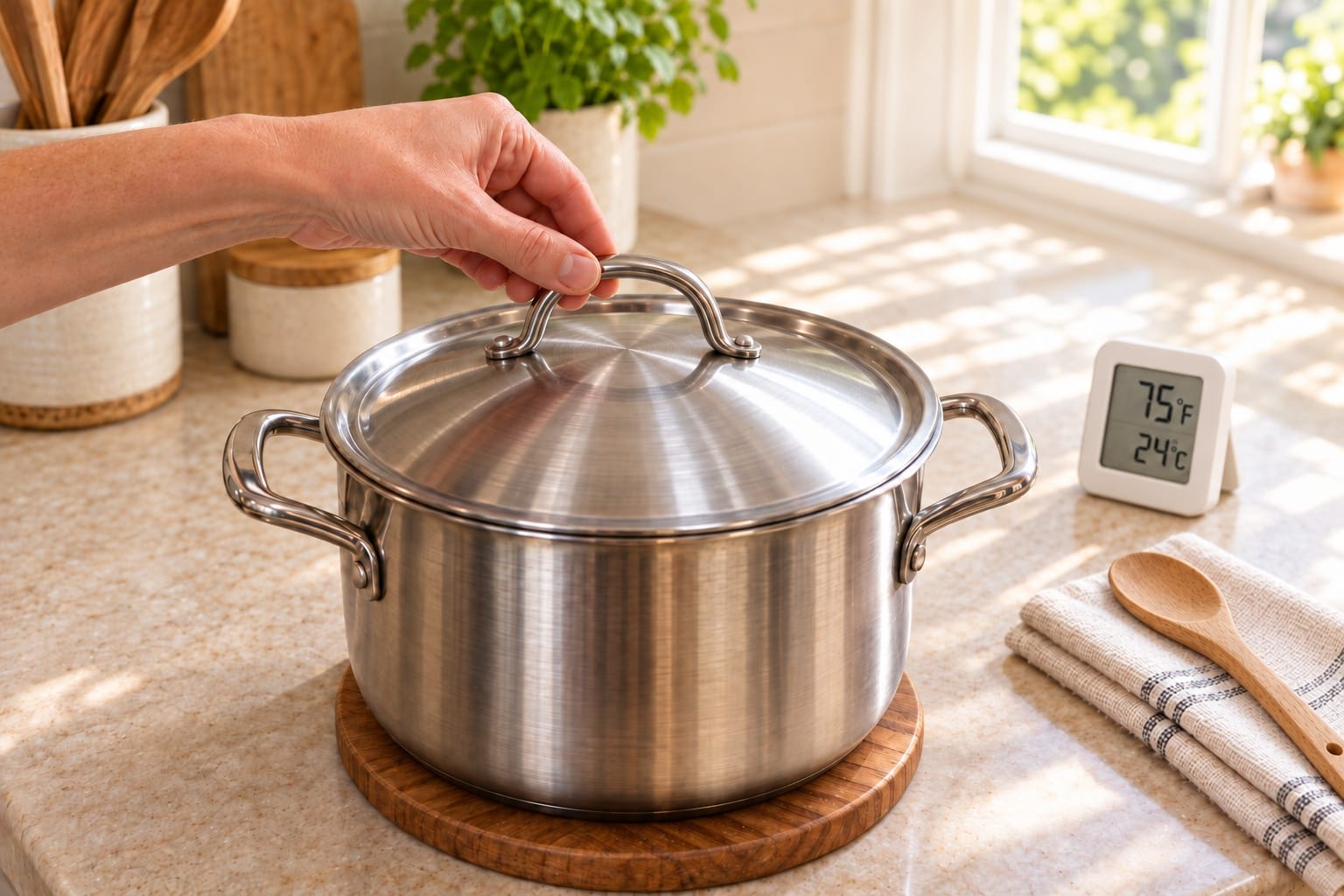
Cover the pot with its lid. Leave it in a warm spot at 72–77°F (22–25°C) for 12 hours. Start the reminder when you cover the pot.
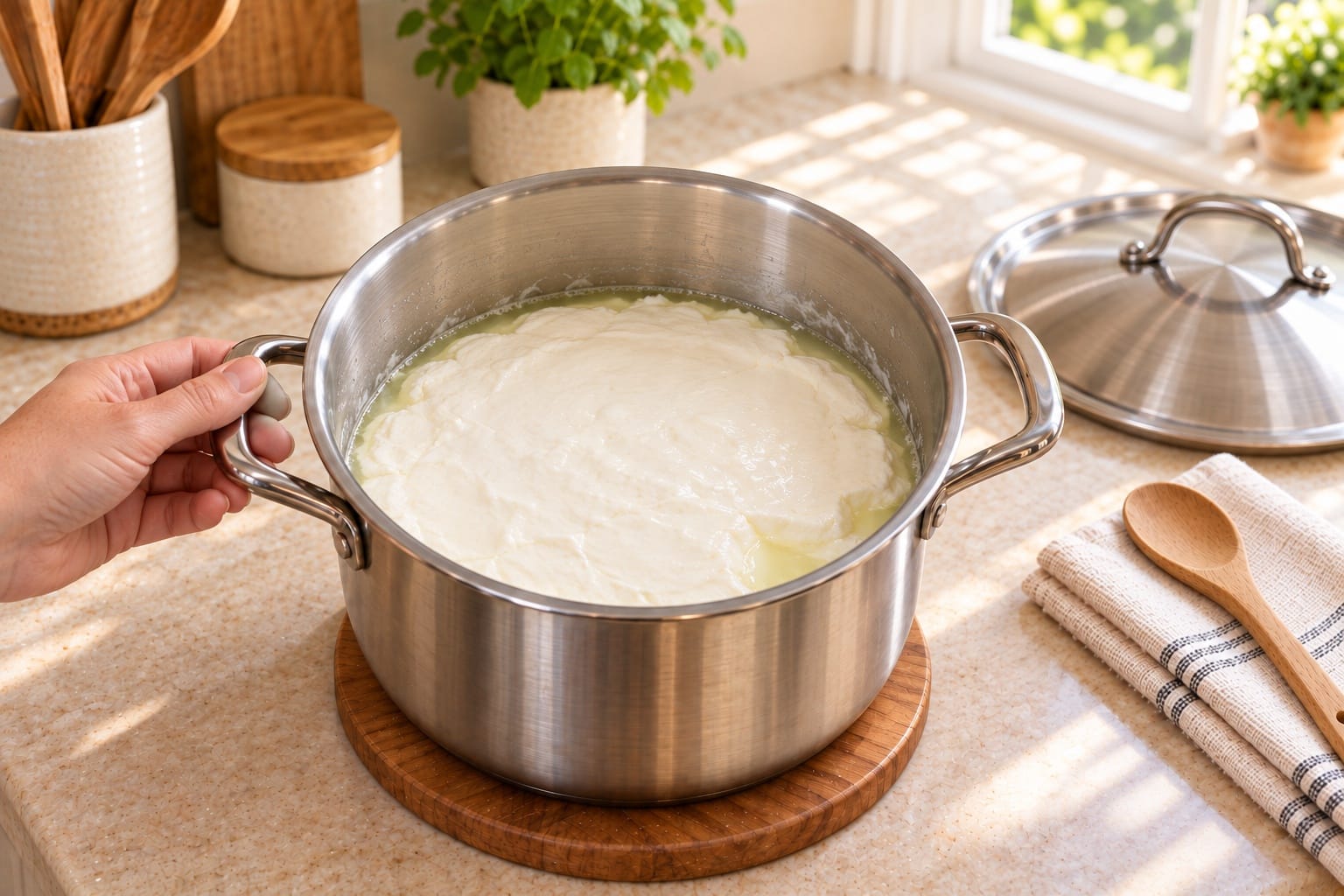
After 12 hours, the culture should be set. Some whey separation is normal. The curd should be soft and yogurt-like.
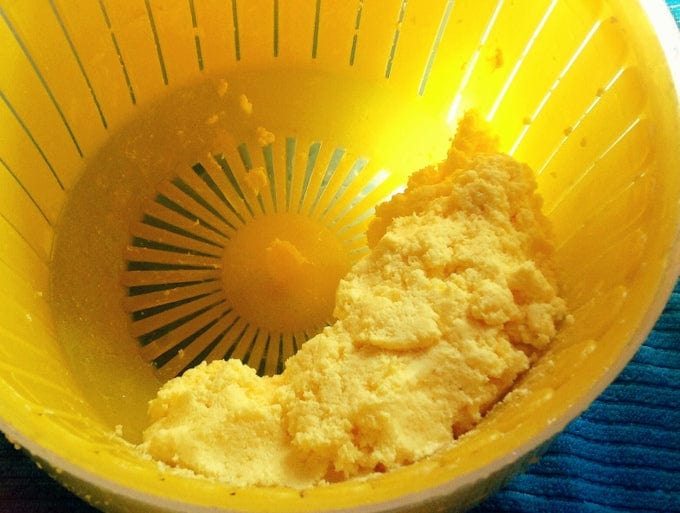
Place a colander in a bowl and line it with a tight-weave dish towel or a double layer of butter muslin. Gently spoon in the curds. Gather the corners and tie the ends together to make a bag.

Hang the cloth filled with cheese over a bowl. Drain for 6–12 hours at 72–77°F (22–25°C). The longer it hangs and drains, the firmer your cheese will be. Choose a reminder from the time you begin draining.

Store the cheese in a closed container in the refrigerator for up to 1 week. To freeze it, remove as much whey as possible and salt the cheese well with cheese salt before freezing. Store extra, unused starter packets in the freezer.

Keep unused starter packets frozen. For a new batch, follow the packet method again.
Share your milk type, temperature readings, culture time, and draining notes with our team.
Rate your experience so we can send you to the right next step.
Enjoy your homemade chèvre with these Cultures for Health recipes.

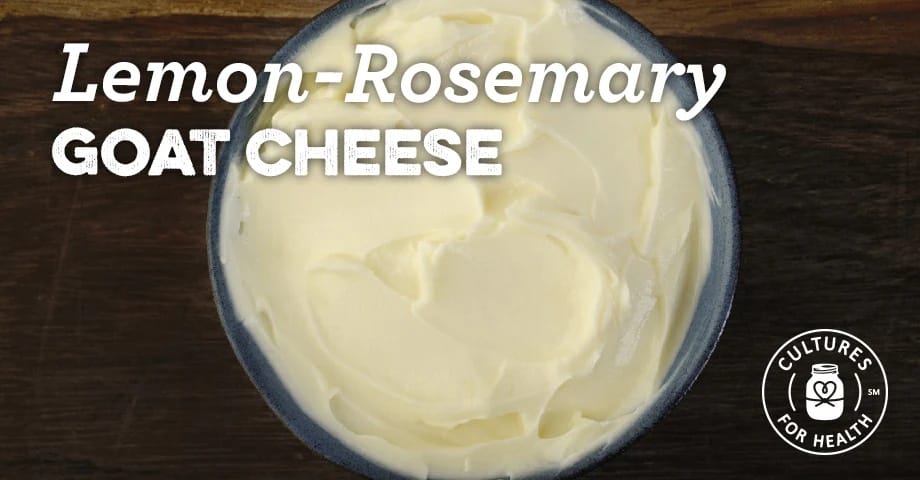

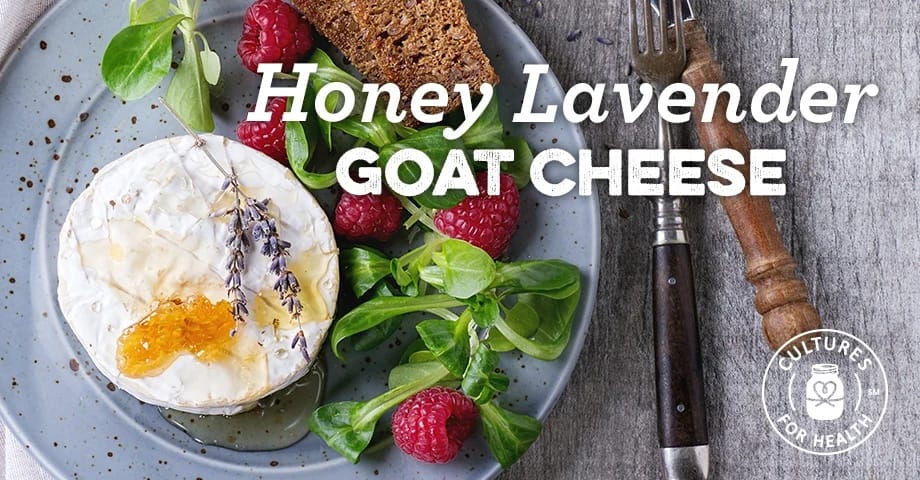
Basil dip inspiration: the original recipe uses fromage blanc. Soft chèvre is an optional adaptation with a tangier flavor.
Save a copy for your next cheesemaking day.
Download the PDF instructions